
Republic of Bulgaria
State e-Government Agency
This is an archive website. To see the current website of the agency, visit https://e-gov.bg
The cost of ICT resources must be directly linked to the provision of electronic administrative services
S.E.G.A. will urge administrations to update the registers and databases they maintain as a matter of priority
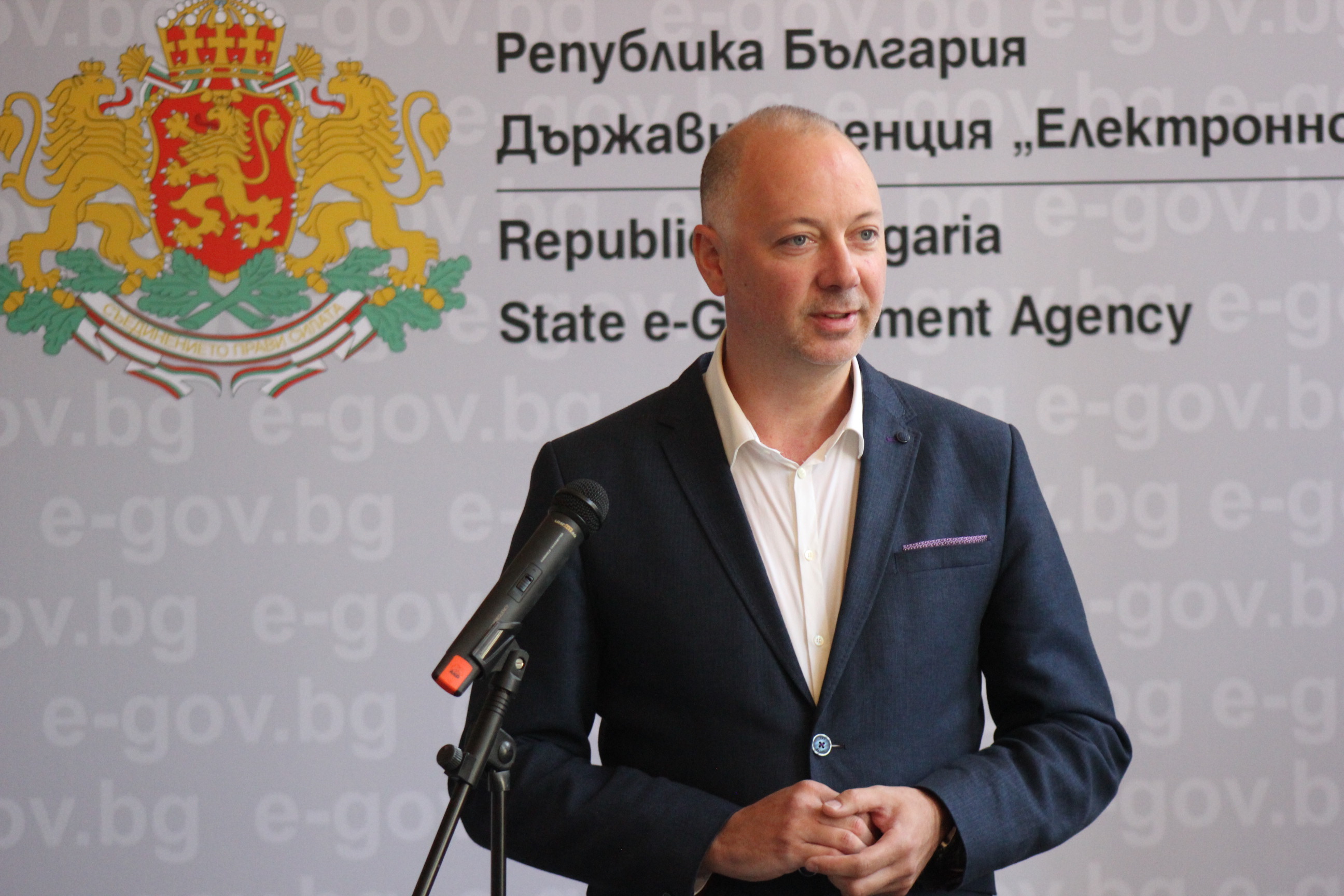
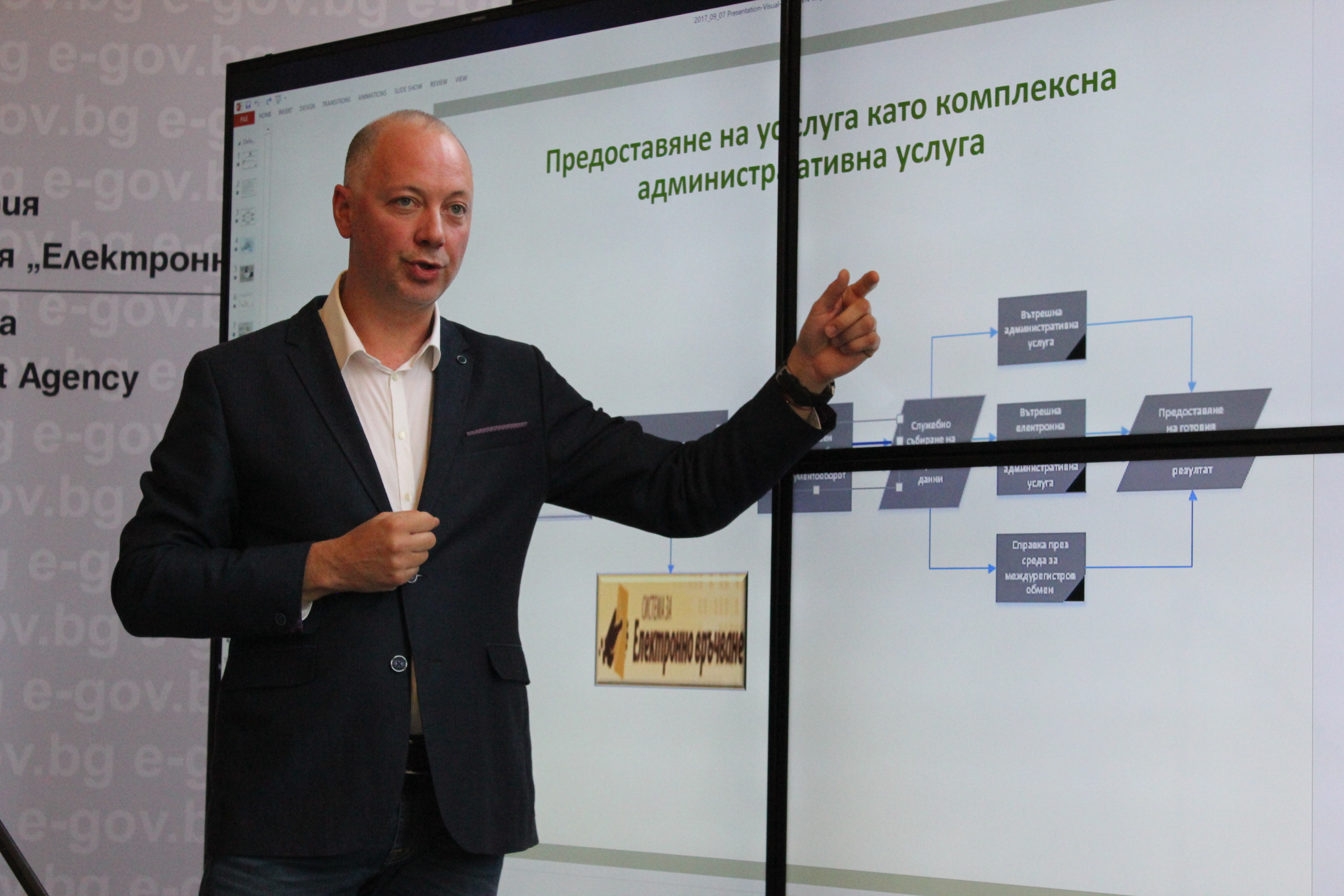
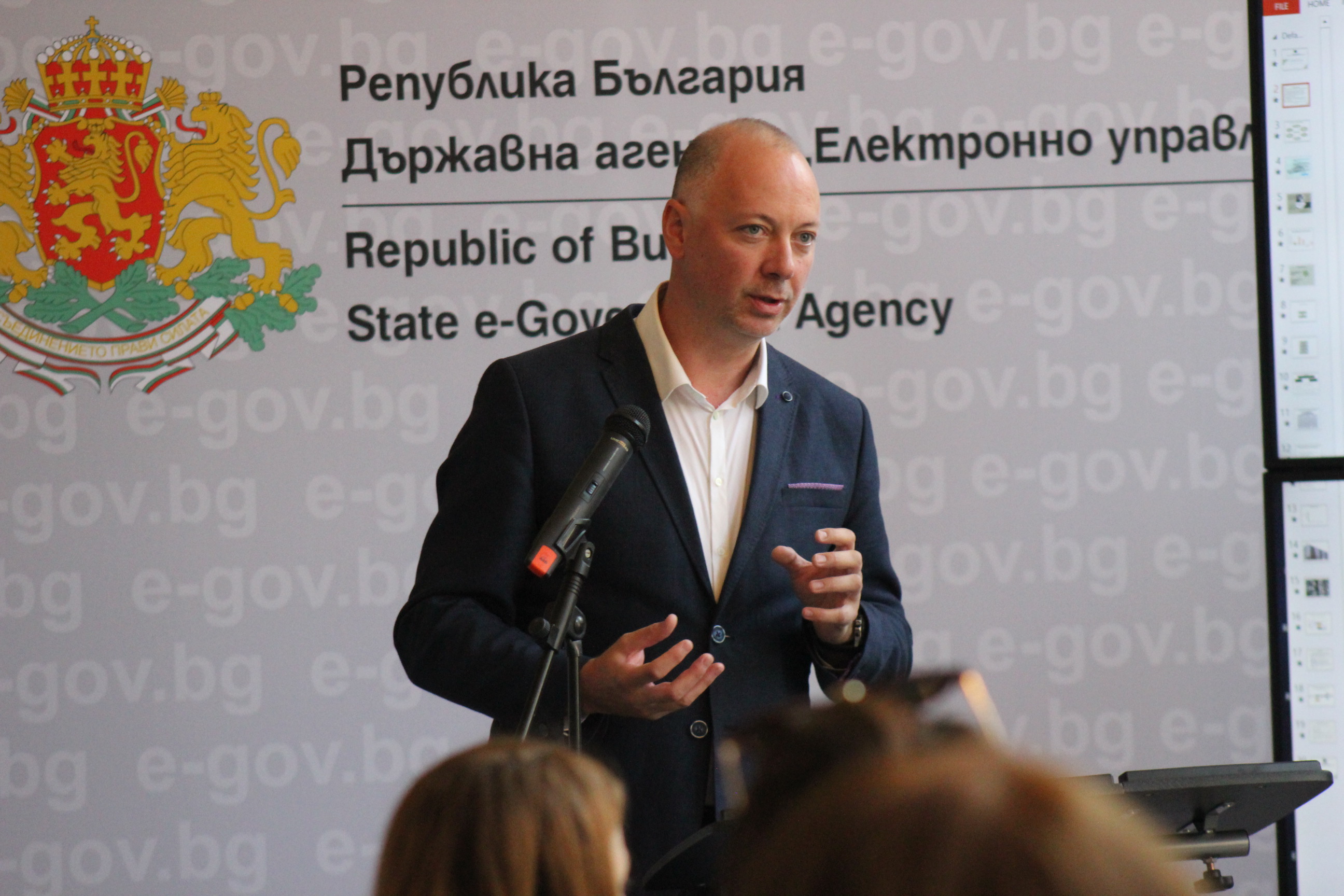
The identification and lack of connectivity of registers and information systems remains a major obstacle to the use of electronic administrative services by citizens and businesses. This is what the chairman of the State e-Government Agency (S.E.G.A.) Rossen Jeliazkov commented, explaining to the media key points of the e-Government policy. Rossen Jeliazkov presented the findings in the Report on the State of play of Information Resources approved by the Cabinet and the Plan for their Development and Renovation for the next year. The document outlines the current state of play and trends in the development of information resources in the state administration.
Currently eight base registers are able to fully exchange data through the RegiX connectivity environment. For this to happen with the other registers, amendments in legislation are needed. “It will be a permanent task to continue with the removal of certification documents and after the already prepared changes related to the repeal of 12 main paper certificates. In 2018, RegiX should be a common component for all administrations”, the chairman of S.E.G.A. said.
Rossen Jeliazkov reminded that the commitment of each administration is keeping up-to-date and upgrading the registers and databases maintained by them. With regard to the established incompleteness in key registers, such as the National Population Database and the Property Register, the State e-Government Agency will insist that a large part of the budgets and resources should be directed to their overcoming.
"Before thinking about renewing office equipment in an institution, resources should be allocated to update the registry maintained by it”, Rossen Jeliazkov stressed. "We realize that the digitization of all paper databases prepared before 2000 will cost a lot of money, but no funds have been earmarked since this point so far. Therefore, the necessary means of digitization must now be provided. The same applies to the registers maintained by municipalities. When the users of the NDB Population know that it is up to date, they will no longer require the relevant circumstances on paper, the Chairman of S.E.G.A. added.
In response to a journalistic question, Jeliazkov commented that the e-Government spending made so far may not been reported. “Any number other than what has been funded so far with EU funds would be speculative. On the basis of the project and budget control carried out by S.E.G.A., as well as after the establishment of the Information Resources Registry, it will be possible to evaluate the availabilities in administrations in the future”, the Chairman of S.E.G.A. pointed out.
Rossen Jeliazkov was categorical that the cost of ICT components should be directly related to the cost of providing electronic administrative services. "We need to know what to do with the acquisition of each computer. The construction of the Information Resources Registry in order to declare ICT resources costs in the registry will show what the specific administration has and what is needed”, Jeliazkov explained.
In 2018, the functionalities of the horizontal components of e-Government will be expanded – a Single portal for access to electronic administrative services, e-Authentication, e-Authorization, e-Payment, e-Servicing. Rossen Jeliazkov announced that the platform for the provision of electronic municipal administrative services as a cloud service is also pending to be launched.
State e-Government Agency
Bulgaria, 1000 Sofia, 6 "Gen. Yosif V. Gurko" Street"
Tel. +359 (2) 949 20 40, +359 (2) 949 21 15, Fax: +359 (2) 949 21 58