
Republic of Bulgaria
State e-Government Agency
This is an archive website. To see the current website of the agency, visit https://e-gov.bg
By 2022 European citizens will be able to interact fully digitally with the public administrations of their countries
Bulgaria joined the Tallinn Declaration on e-Government
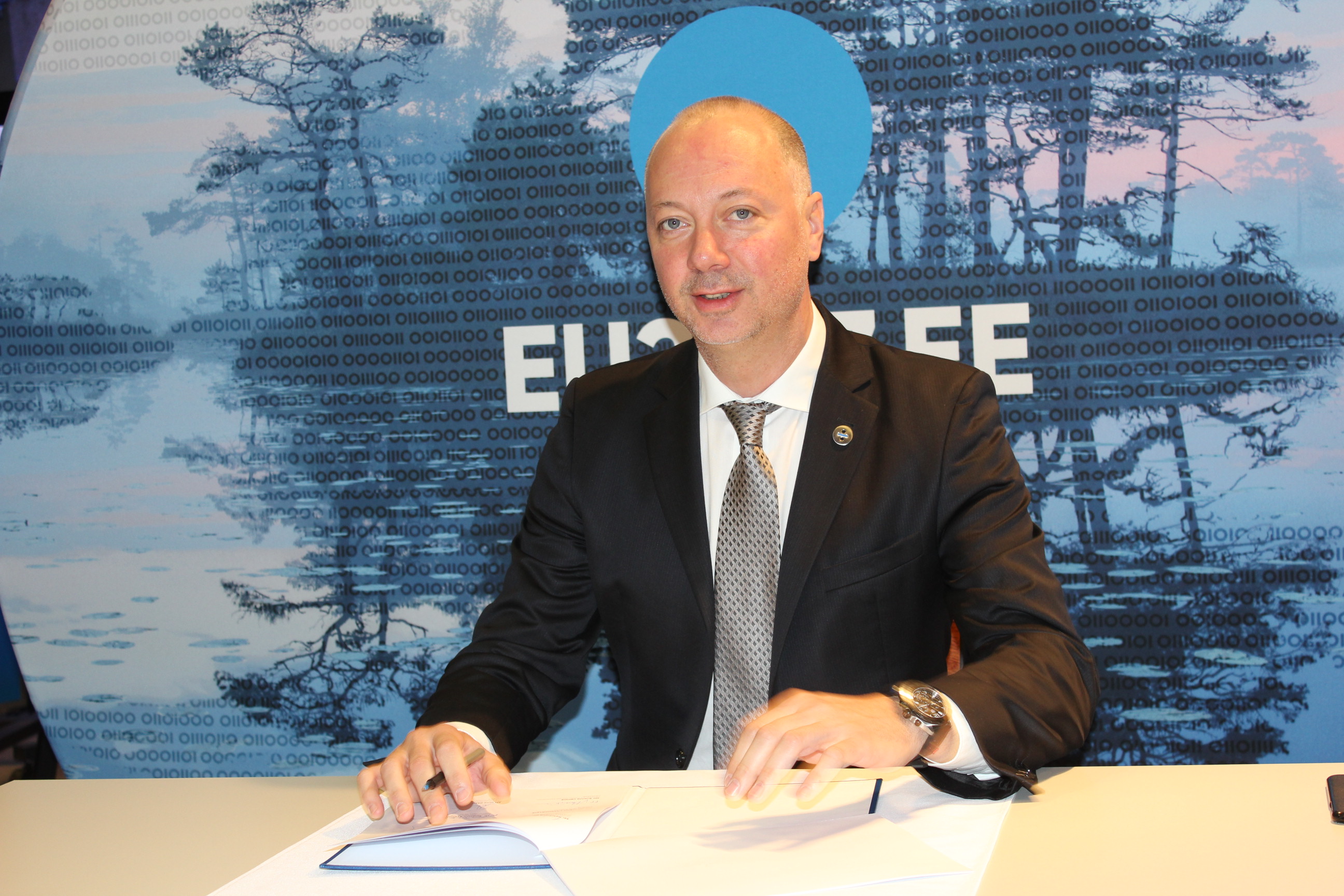
An opportunity for citizens and businesses across the EU to interact fully digitally with Member States’ public administrations, enhancing citizens’ digital skills and implementing user-friendly design and digital public services delivery. This is provided by some of the measures that the EU Member States have committed to in the next few years during the Tallinn e-Government Summit. The Ministerial e-Government Meeting on e-Governance was attended by the Chairperson of the State e-Government Agency Rosen Zhelyazkov, who signed the final document from the forum in the Estonian capital.
With the Tallinn e-Government Declaration, EU Ministers responsible for e-Government confirmed the political will of Member States to continue efforts to accelerate e-Government development, which has a central role in addressing the challenges of digital transformation.
Over the next 5 years – by 2022 – the EU Member States will take tangible measures to implement the principles set out in the European e-Government Action Plan (2016-2020) and the European Interoperability Framework. These include, inter alia, designing all public processes as digital by default, which will minimize the need for citizens and business to interact with public administrations. At the same time, they should be able to interact with administrations completely digitally, which will guarantee accessibility and openness of the institutions.
For full implementation of the only once data collection principle (”only once” principle) in the coming years, EU Member States will identify measures to reduce administrative burdens through cooperation and exchange of data between mere administrations at national, regional, local and cross-border level. The principle of one shot collection and multiple reuse of information will also be introduced by improving the quality and technological accessibility of data in key registers as well as by promoting the culture of re-use of information by administrations.
For ensuring confidence and security, EU e-Government Ministers have declared their willingness to accelerate the implementation of the requirements of the EU Regulation on electronic identification and trust services for electronic transactions in the internal market. With the Tallinn Declaration, Member States confirm their readiness to improve coordination and exchanges to increase their strategic, operational, research and development capabilities in cybersecurity, notably by introducing the requirements of the Security of network and information systems Directive.
As regards the principle of openness and transparency, a key step will be the opportunity for citizens and businesses to manage their personal data that public administrations dispose. Member States will also work to expand access and improve the quality of open data, key to the economy and society.
E-Government Ministers are committed to work to avoid duplication in different sectors of applications already developed and to increase the use of open source solutions in the development and upgrading of ICT systems and solutions. Promoting the re-use of solutions owned or developed by the private and non-governmental sector for the public administration is also among the measures for a more complete implementation of the interoperability principle in Member States.
In the coming years, EU Member States are also committed to take measures to enhance digital skills at all levels in public administrations as a necessary prerequisite for any successful digital transformation. With the Declaration ministers are committed to share good practices in e-government and successful local solutions.
Member States should also allocate adequate and timely resources for digital transformation to all public administrations levels, the Tallinn Declaration text states furthermore. Progress on the implementation of the document will be reported by the Austrian EU Council Presidency in October 2018.
State e-Government Agency
Bulgaria, 1000 Sofia, 6 "Gen. Yosif V. Gurko" Street"
Tel. +359 (2) 949 20 40, +359 (2) 949 21 15, Fax: +359 (2) 949 21 58