
Republic of Bulgaria
State e-Government Agency
This is an archive website. To see the current website of the agency, visit https://e-gov.bg
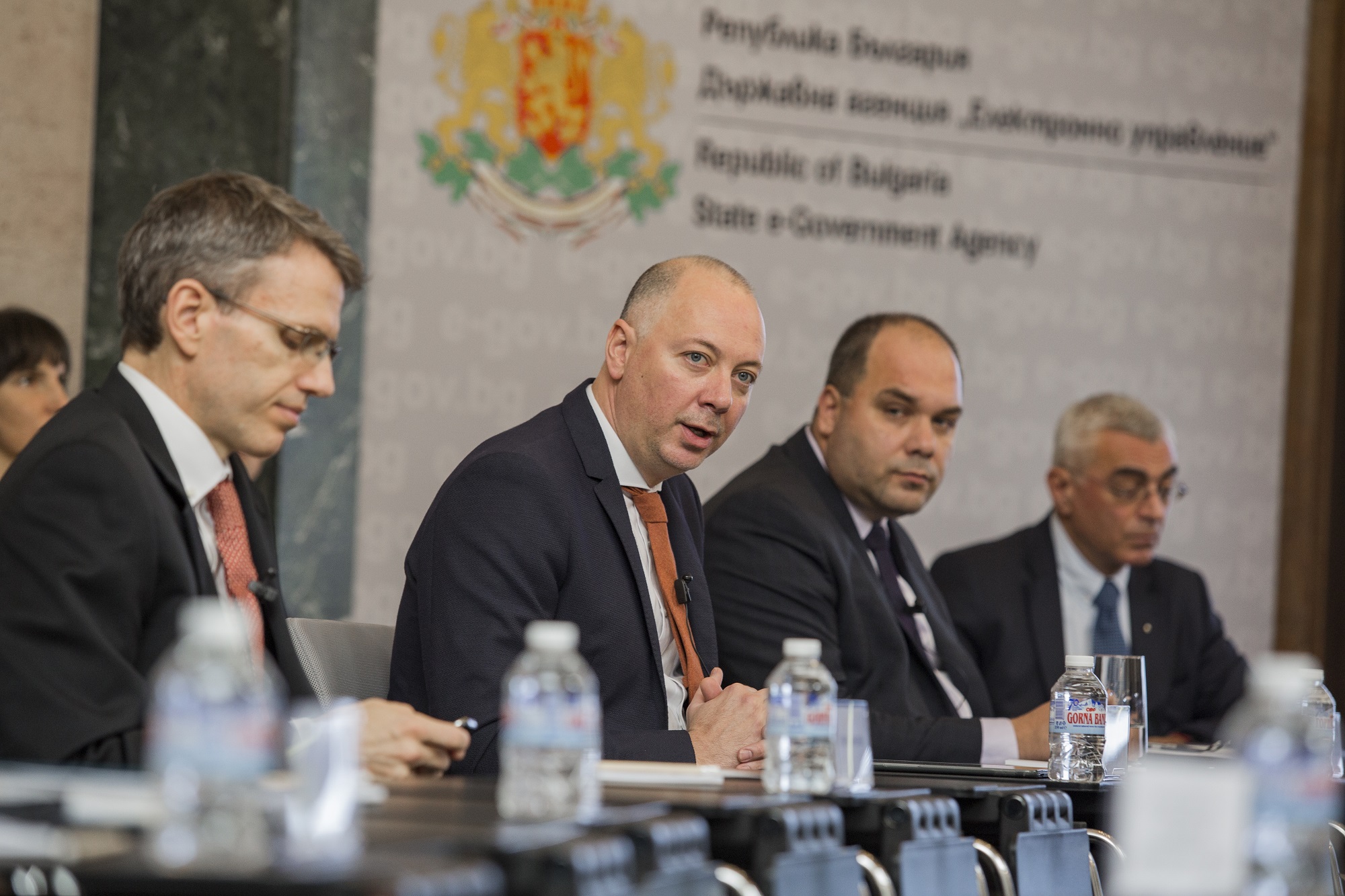
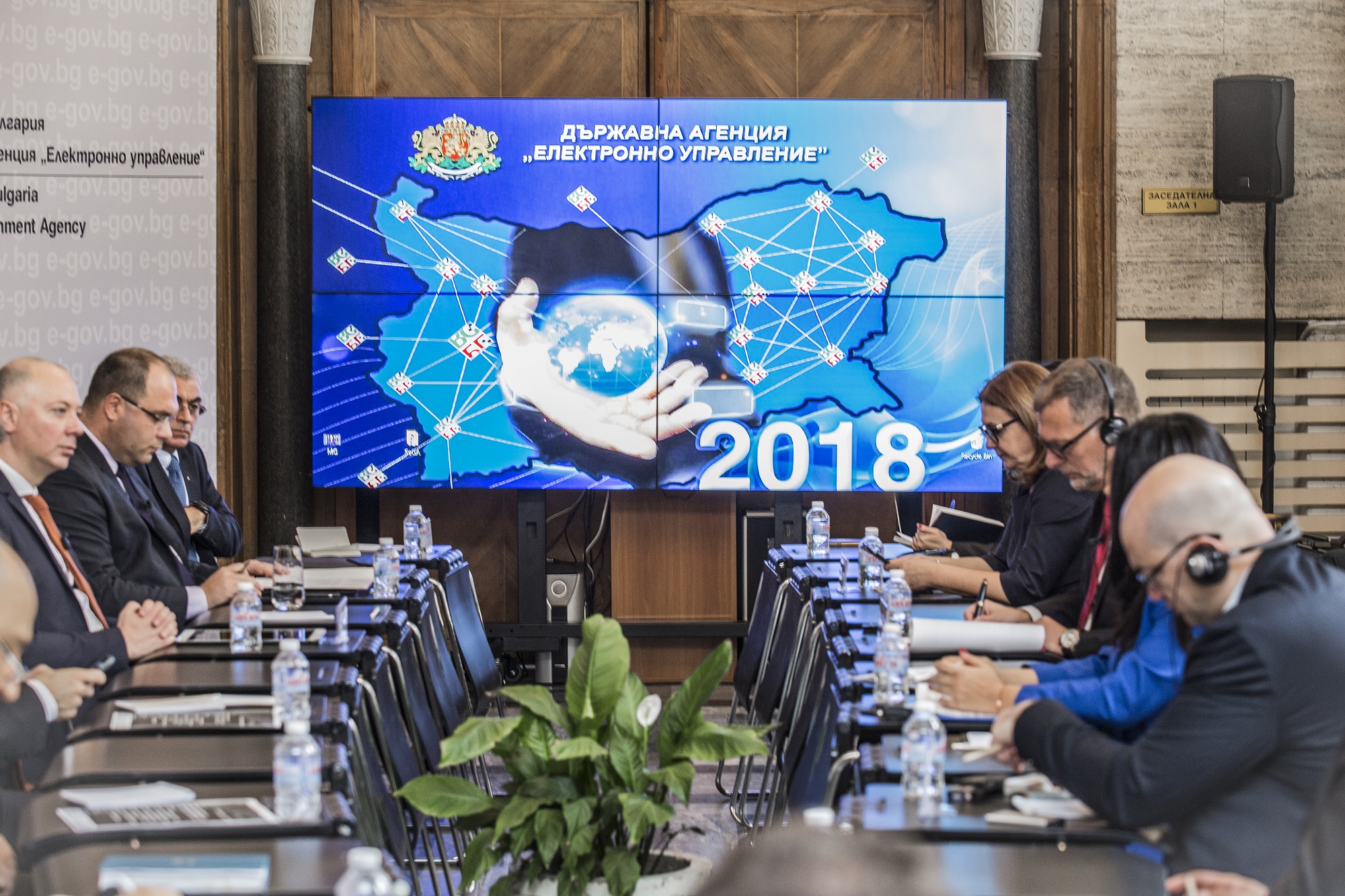
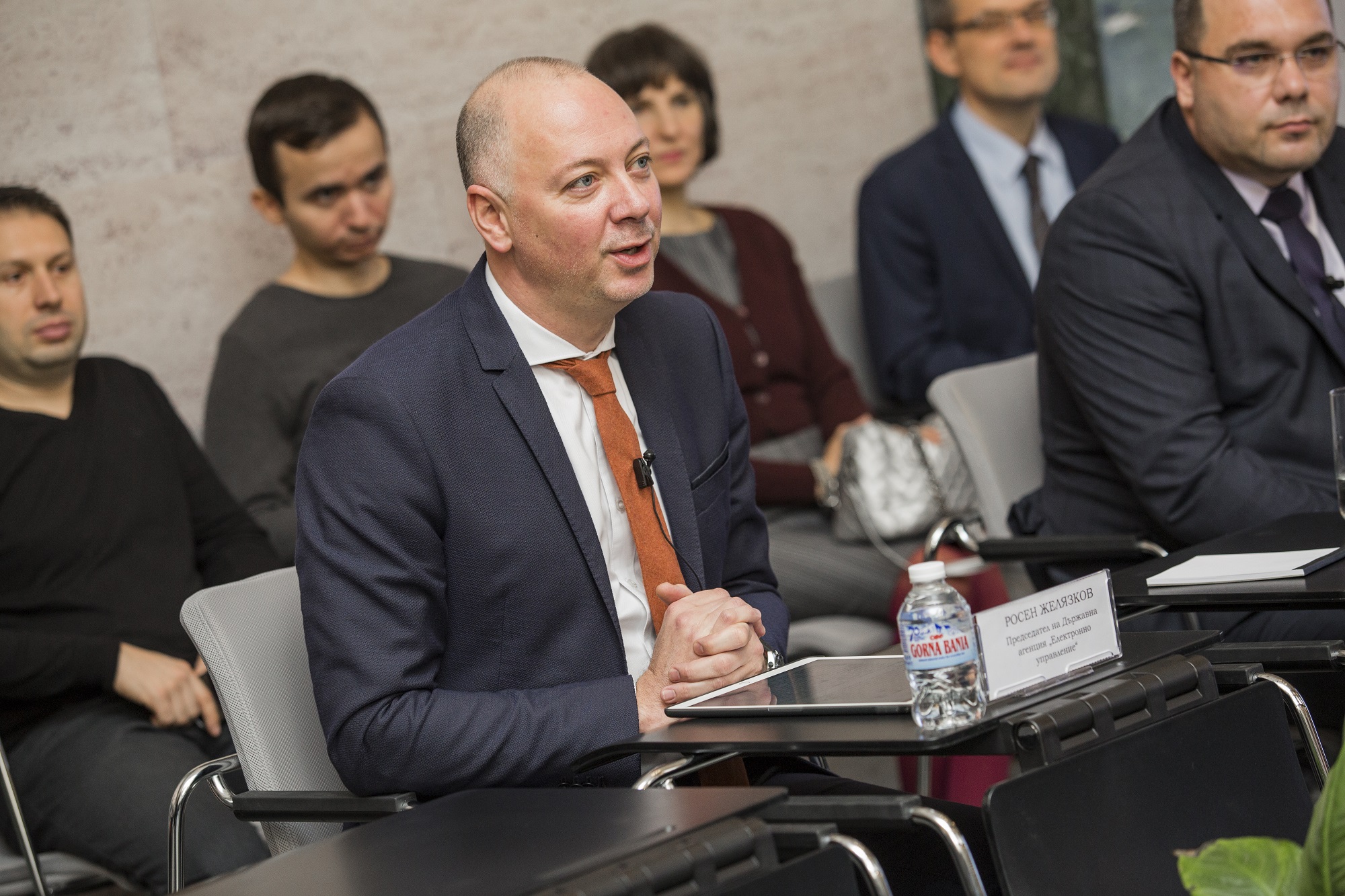
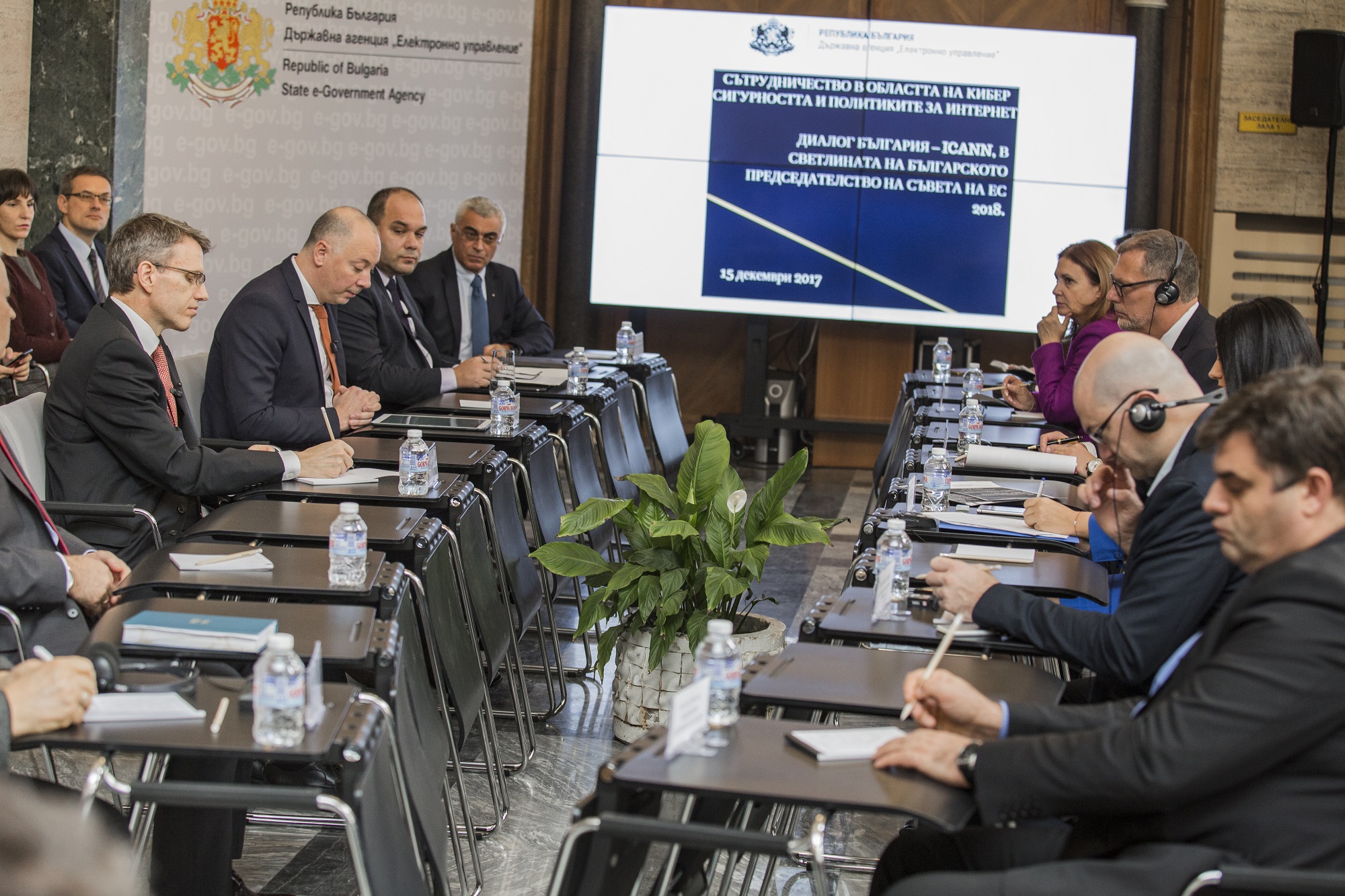
We will seek a balanced approach between freedom of data movement and cyber security, said S.E.G.A. Chairperson Rossen Jeliazkov
At the beginning of 2018, S.E.G.A. will launch a national 6-month cyber-hygiene information and education campaign under the title "They will not hack me"
Towards a balance between citizens' rights and the interests of society in cyber security and a focus of consensus efforts with the participation of all stakeholders, the participants in a round table on "Cyber Security and Internet Policy Dialogue Bulgaria – ICANN in the light of the Bulgarian Presidency of the EU Council 2018” have committed for.
Cyber threats and Internet policies, the model of Internet Corporation for Assigned Names and Numbers (ICANN) for participation of all stakeholders in Internet Governance and the Dialogue between Bulgarian Institutions and ICANN in the Context of the Bulgarian EU Council Presidency in 2018 were the highlights of the forum discussions, with the special participation of ICANN President Göran Marby.
Our quality of life and cyber security are interlinked, and digital technologies directly affect 75% of the European economy. In an environment where "the Internet of Things" is becoming our reality, cyber threats take the lead, stressed Rossen Jeliazkov, the chairperson of the State e-Government Agency (S.E.G.A.), who launched the discussion.
Over 4 000 malware attacks are reported daily in Europe in 2016. 80% of European companies have been attacked at least once for the past year, and the European economy suffers an annual loss of nearly 300 billion EUR from cybercrime, Rossen Jeliazkov said before the round table. That is why the legislative package of the Cyber Security Act, discussed by the European Commission, will significantly affect the Bulgarian Presidency of the Council of the EU in 2018 and the State e-Government Agency, together with the Ministry of Transport, Information Technology and Communications, will make efforts to achieving consensus on legislative dossiers in the field, the chairperson of S.E.G.A. said.
“Cyber security is not in conflict with Fifth freedom – the free movement of data. They must exist in harmony. Therefore, interaction with all stakeholders is a key model in all formats that will seek answers to the challenges in the field,” Rossen Jeliazkov said.
The Chairperson of S.E.G.A. recalled that during the Bulgarian Presidency of the Council of the EU, negotiations on a number of digital dossiers are underway – the GDPR Regulation, the Network and Information Security Directive, ePrivacy, the European Communications Code, Cyber Security Act.
On May 25, 2018, the Personal Data Protection Regulation (GDPR) will be applicable in the EU. In case of cybercrime investigations, in many cases, information is requested about the person registered under a particular domain, and this information is provided by ICANN. However, in order to comply with the provisions of the Regulation, it may be necessary for ICANN to review the so-called WHOIS policy, and this could in turn lead to difficulties in the investigation of cyber crime, Rossen Jeliazkov noted during the discussion.
"These legislative acts and files bind all players in the sector and through dialogue such as this builds a real and workable platform for audibility of problems. This balanced approach between freedom and security, between the rights enshrined in the European Charter of Human Rights and the public interest in protecting against cyber-attacks and cybercrime must be found,” furthermore stressed the chairperson of the e-Government Agency.
Rossen Jeliazkov announced that in the beginning of 2018 and under the patronage of the European Commissioner for Digital Economy and Digital Society Maria Gabriel, the State e-Government Agency will launch a national 6-month cyber-hygiene information campaign "They will not hack me".
"We will turn to all internet users of all age groups to inform them and learn basic habits in using the Internet. 80 percent of cyber attacks may be prevented with elemental cyber hygiene. Over 40 million passwords are poorly protected, and the most popular password is "123456". This approach of awareness and building cyber-hygiene habits will contribute to a cleaner internet environment” Rossen Jeliazkov said.
The Bulgarian Presidency of the Council of the EU has fallen on the one of the worst negotiating dossiers and Bulgaria has to find a cross-section of many interests. Among the key issues are ePrivacy and copyright, said Minister of the Bulgarian Presidency of the EU Council 2018 Lilyana Pavlova. She outlined the main priorities of the Bulgarian Presidency on the Digital Agenda for Europe. The process of the first online registrations of events from the Bulgarian Presidency Agenda has already begun and our efforts are focused on the protection and security of data, Minister Pavlova said.
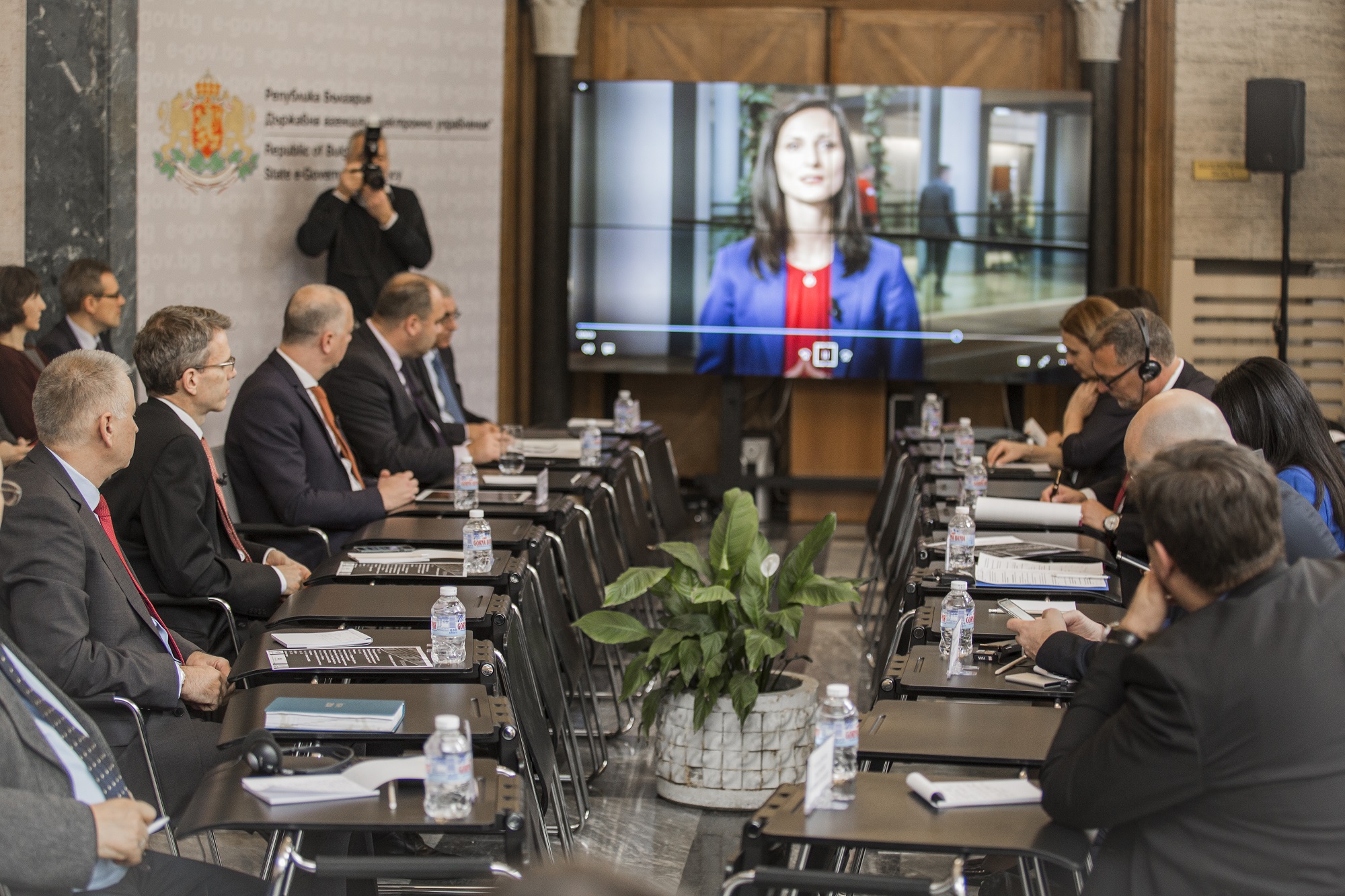
The discussion was held on the joint initiative of the State e-Government Agency, the Minister of the Bulgarian Presidency of the EU Council 2018 Lilyana Pavlova and the Minister of Transport, Information Technologies and Communications Ivaylo Moskovski. A special video address to the participants in the discussion was given by European Commissioner Maria Gabriel.
State e-Government Agency
Bulgaria, 1000 Sofia, 6 "Gen. Yosif V. Gurko" Street"
Tel. +359 (2) 949 20 40, +359 (2) 949 21 15, Fax: +359 (2) 949 21 58